
Back to Blog
Paint Protection
PPF vs. Ceramic Coating: Which One Does Your Car Need?
Apex TeamMarch 15, 2026
If you're looking to protect your vehicle's paint, you've probably come across two main options: paint protection film (PPF) and ceramic coating. Both are excellent choices, but they serve different purposes and offer different types of protection.
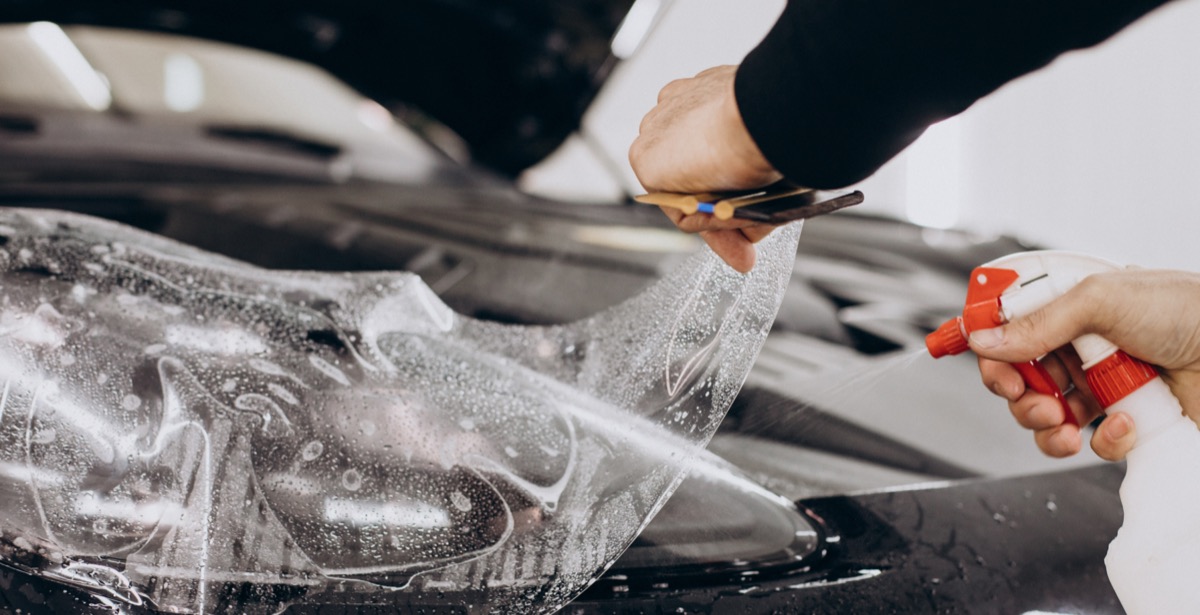
Paint protection film is a physical barrier — a thick, clear thermoplastic urethane film that absorbs impacts from rock chips, road debris, bug acids, and minor scratches. It's the only product that can truly prevent physical damage to your paint. Modern PPF is self-healing, meaning minor scratches in the film disappear with heat from the sun or warm water.
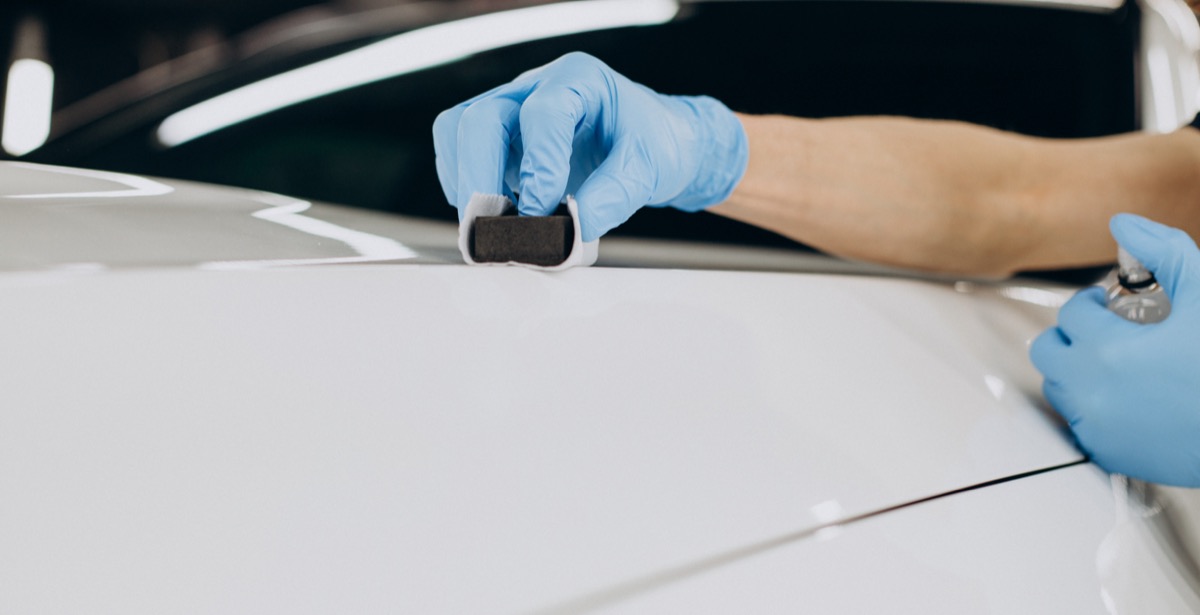
Ceramic coating, on the other hand, is a chemical bond that creates a hard, hydrophobic layer on your paint's surface. It excels at repelling water, dirt, and contaminants, making your car dramatically easier to clean. It also provides excellent UV protection and enhances your paint's gloss and depth.
So which should you choose? It depends on your priorities. If you're most concerned about rock chips and physical damage — especially if you have a new or high-value vehicle — PPF is the way to go. If you want easier maintenance, enhanced appearance, and protection from chemical and environmental damage, ceramic coating is ideal.
The best approach? Use both. Apply PPF to high-impact areas (hood, fenders, bumper, mirrors) and then ceramic coat the entire vehicle, including over the PPF. This gives you the physical protection of film where you need it most, plus the hydrophobic and aesthetic benefits of ceramic everywhere else.
At Apex Performance, we install both PPF and ceramic coating and frequently recommend the combination for our clients who want comprehensive protection. Contact us for a free consultation to determine the best protection plan for your vehicle.
Book Your Transformation
Ready to protect or upgrade your own vehicle?
If this article matches something you’ve been considering, we can help translate it into the right real-world package.