
Back to Blog
Window Tinting
Window Tint Laws: What You Need to Know Before Tinting
Apex TeamFebruary 28, 2026
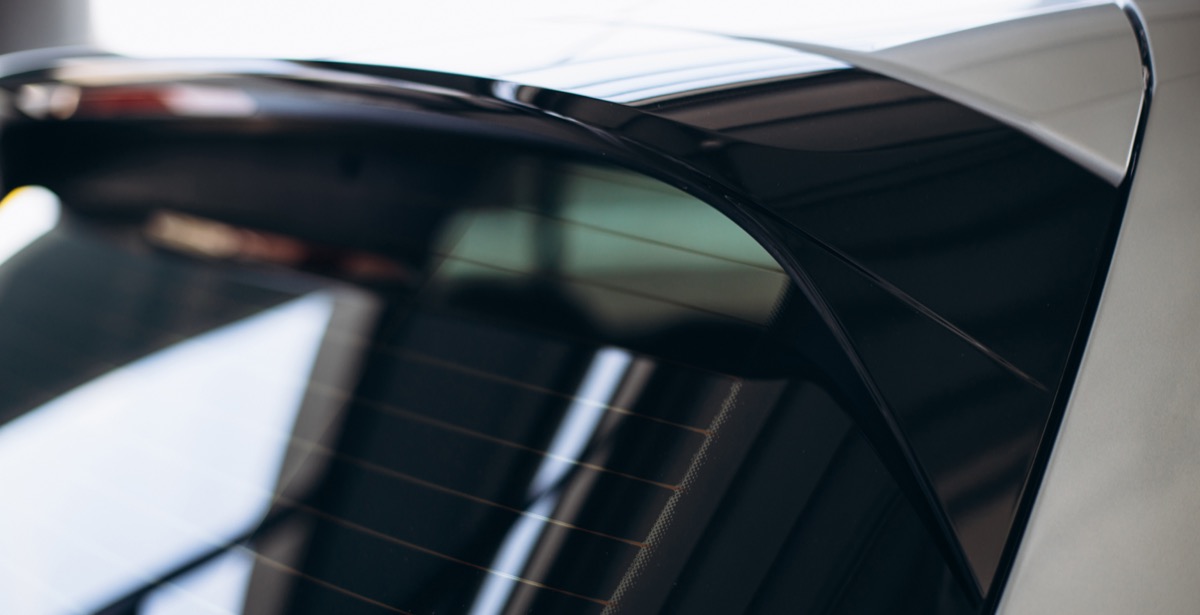
Window tinting is one of the best upgrades you can make to your vehicle. It reduces heat, blocks harmful UV rays, increases privacy, and improves the overall appearance of your car. But before you get your windows tinted, it's important to understand the laws in your state.
Every state has different regulations regarding how dark your window tint can be. These laws are measured in VLT — visible light transmission — which is the percentage of light that passes through the film. A lower VLT percentage means a darker tint.
Most states allow any level of tint on the rear window and rear side windows. The restrictions typically apply to the front side windows (driver and passenger) and sometimes the windshield. Common front window limits range from 25% to 50% VLT depending on the state.
Many states also have regulations about reflectivity — how mirror-like the tint appears from outside. Highly reflective or mirrored tints are often restricted or prohibited on front windows.
Some states offer medical exemptions that allow darker tint for individuals with certain medical conditions that make them sensitive to light. If you have a qualifying condition, check with your state's DMV about the exemption process.
At Apex Performance, we stay current on local tint laws and will always recommend a shade that keeps you legal while maximizing the benefits. We use premium ceramic window films that provide excellent heat rejection even at lighter shades, so you get great performance without going illegally dark.
We also offer a range of shade options so you can see samples in person before making a decision. Our team will help you find the perfect balance of appearance, performance, and legal compliance for your vehicle.
Book Your Transformation
Ready to protect or upgrade your own vehicle?
If this article matches something you’ve been considering, we can help translate it into the right real-world package.